
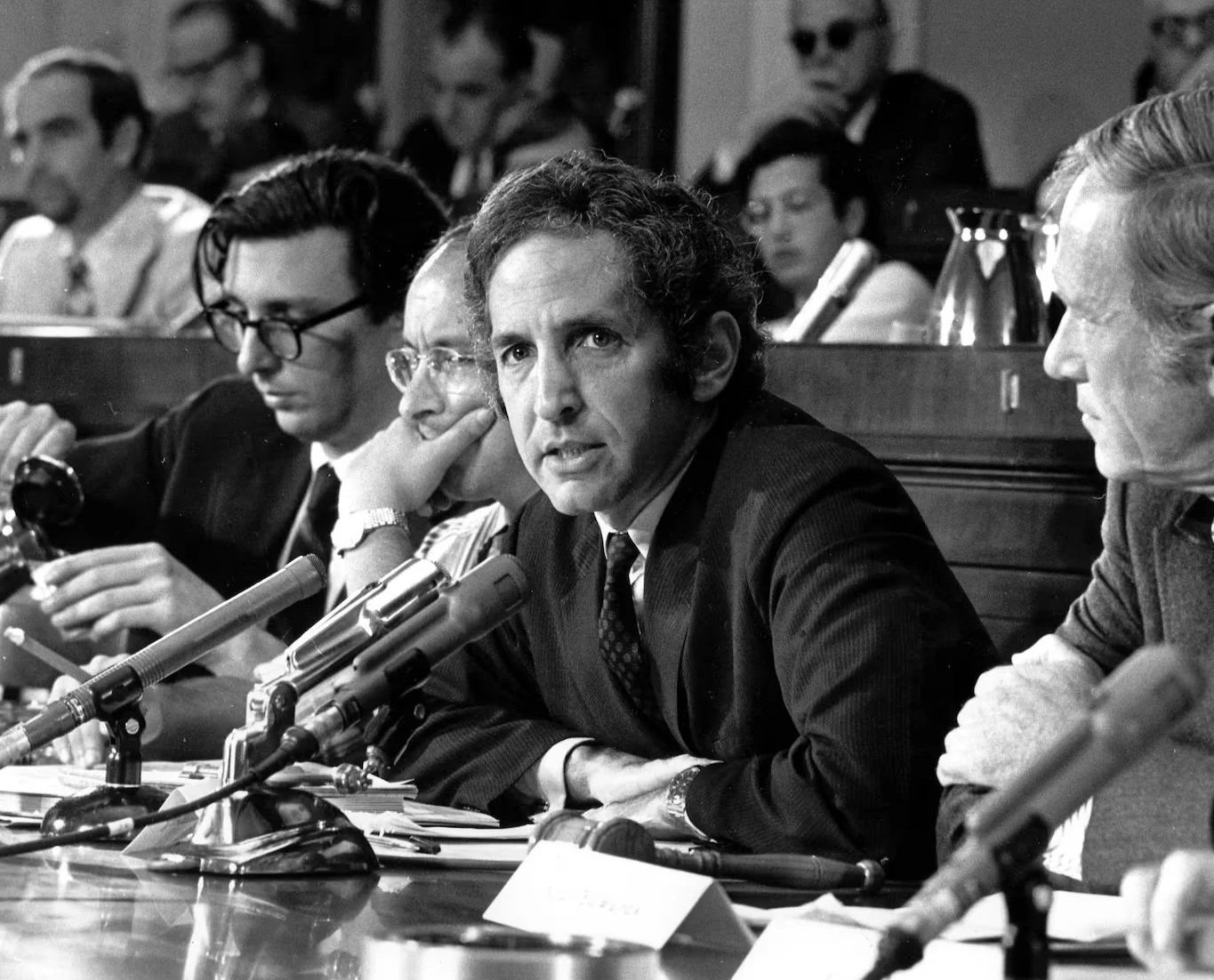
Daniel Ellsberg
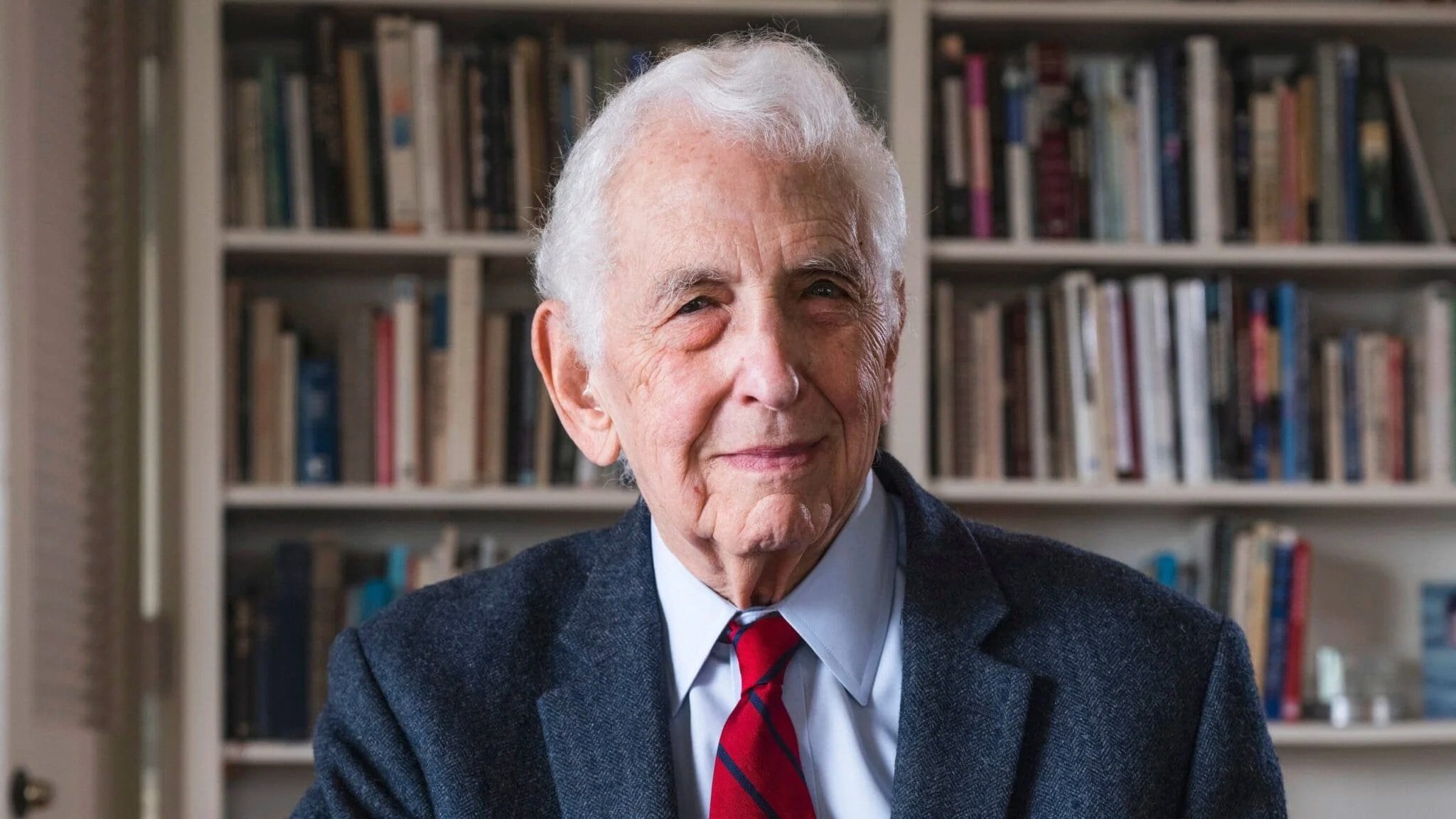
Daniel Ellsberg (1931-2023) was a Defense Department consultant who followed his conscience and leaked secret information about the US government’s lies on the war in Vietnam – known as the Pentagon Papers.
Following three years in the U.S. Marine Corps, Ellsberg became a strategic analyst at the RAND Corporation and an advisor to the Defense Department and the White House, specializing in problems of the command and control of nuclear weapons, nuclear war plans, and crisis decision-making.
From 1965-1967 Ellsberg studied U.S. policy and pacification programs in Vietnam. Believing the Vietnam War unjust and unwinnable, he photocopied a top-secret 7,000-page study of U.S. decision-making in Vietnam. In 1971, inspired in part by the courage of a draft resister facing prison, Ellsberg decided to risk life in prison and leaked the Pentagon Papers to the New York Times and other newspapers.
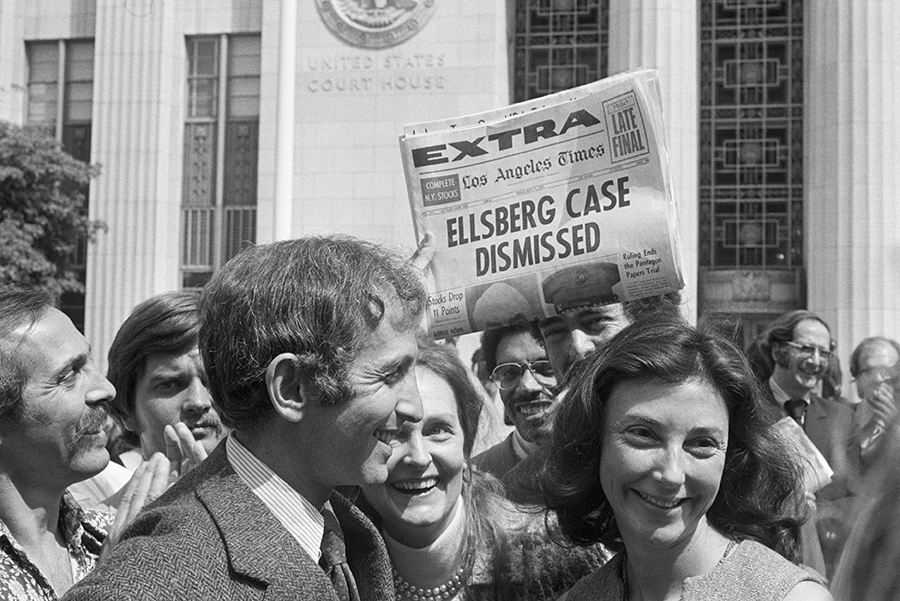
The government charged Ellsberg with 12 felony counts with a possible sentence of 115 years. The case was dismissed in 1973 when Watergate investigators exposed the Nixon White House’s criminal misconduct against Ellsberg, one of the crimes that led to the impeachment and resignation of President Nixon.
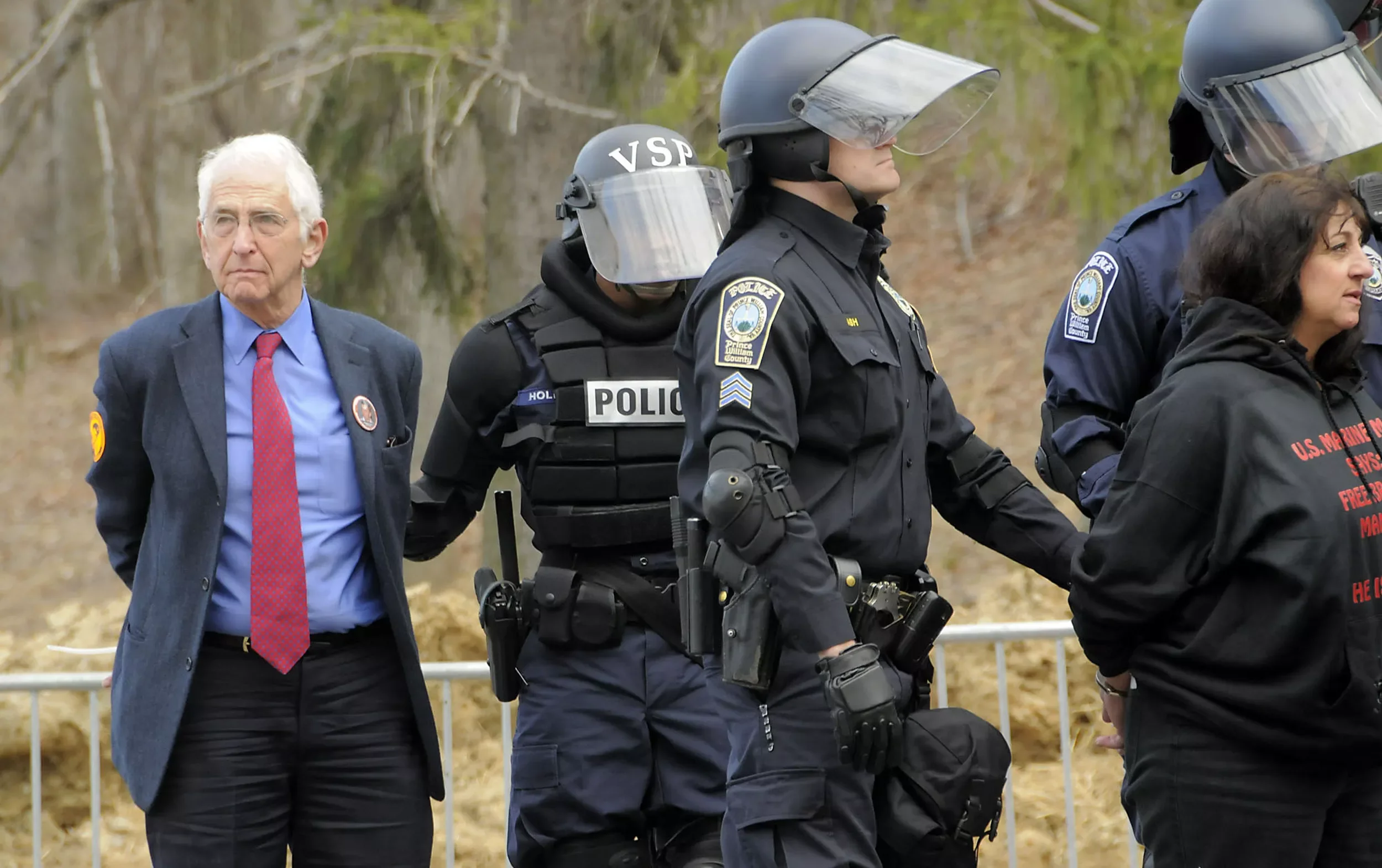
In the decades that followed, Ellsberg was a speaker, scholar, writer and prominent activist on the dangers of the nuclear era, wrongful U.S. interventions and the urgent need for patriotic whistleblowing. He was arrested over 80 times for acts of civil disobedience, primarily in protest of nuclear weapons.
He authored several books (see below), including The Doomsday Machine: Confessions of a Nuclear War Planner (2017) and Secrets: A Memoir of Vietnam and the Pentagon Papers (2002). A compilation of his essays and other writings, Truth and Consequence, was published posthumously in 2026.
Daniel Ellsberg’s Message to Us, and to Future generations
Bulletin of the Atomic Scientists
Stanford Professor Martin Hellman interviewed Ellsberg less than two months before he passed away in 2023.
BOOKS
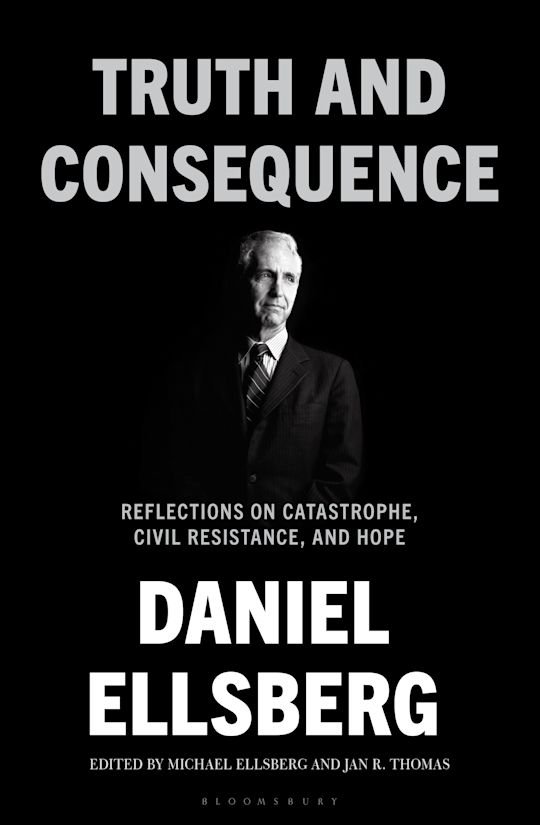
Reflections on Catastrophe, Civil Resistance, and Hope
In this posthumous collection of previously unpublished writings, including autobiographical and personal essays, manifestos, and reportage, Ellsberg's ideas burst from the page with acerbic critique and powerful introspection, cementing him as one of the most heroic champions of truth in American history. Truth and Consequence d`oes not equivocate about the bedrock convictions we must continue to uphold in his wake: freedom, integrity, and, above all, truth.
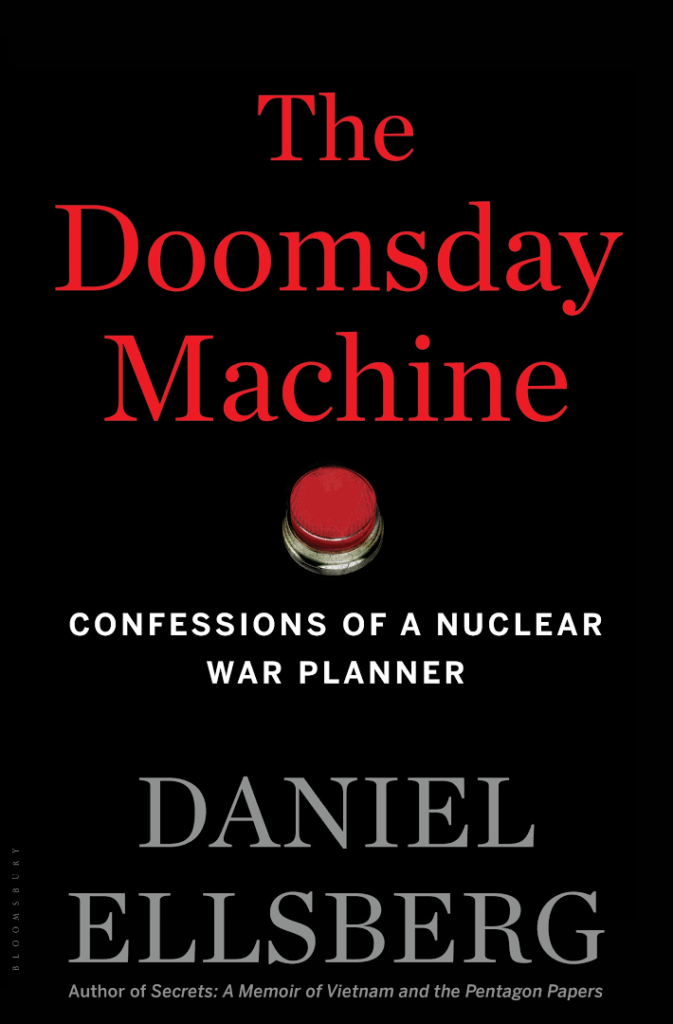
Confessions of a Nuclear War Planner
Ellsberg reveals his shocking first-hand account of America’s nuclear program and how the legacy of the most dangerous arms buildup in the history of civilization -- and its renewal under the Trump administration -- threatens our very survival. No other insider with high-level access has written so candidly of the nuclear strategy of the late Eisenhower and early Kennedy years, and that nothing has fundamentally changed since that era.
A Memoir of Vietnam and the Pentagon Papers
Secrets is Daniel Ellsberg's meticulously detailed insider's account of the secrets and lies that shaped American foreign policy during the Vietnam era. Ellsberg recounts with drama and insight his release of the Pentagon Papers that set in motion a train of events that ultimately toppled a president and helped to end an unjust war. The memoir of a committed, daring man and a meditation on the meaning of patriotism under a government intoxicated by keeping secrets.
FILMS
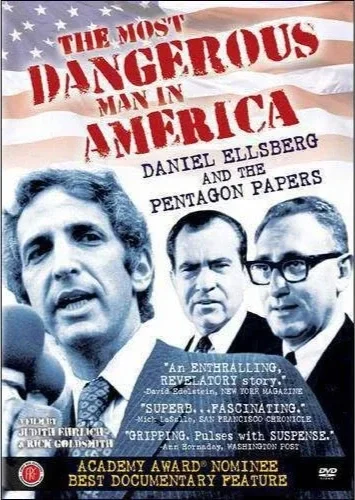
OSCAR NOMINEE, 2010
The Most Dangerous Man in America captures the full, riveting story of how Daniel Ellsberg’s profound change of heart created a landmark struggle involving America’s newspapers, its president and the Supreme Court – a political thriller whose events led directly to Watergate, Nixon’s resignation and the end of the Vietnam War – and inspired a new generation of whistleblowers. In 1971, Ellsberg, a high-level Pentagon official and Vietnam War strategist, concludes that the war is based on decades of lies and, risking life in prison, leaks 7,000 pages of top secret documents to the New York Times.
Co-directed by Judith Ehrlich and Rick Goldsmith
WINNER, MULTIPLE FILM FESTIVAL AWARDS
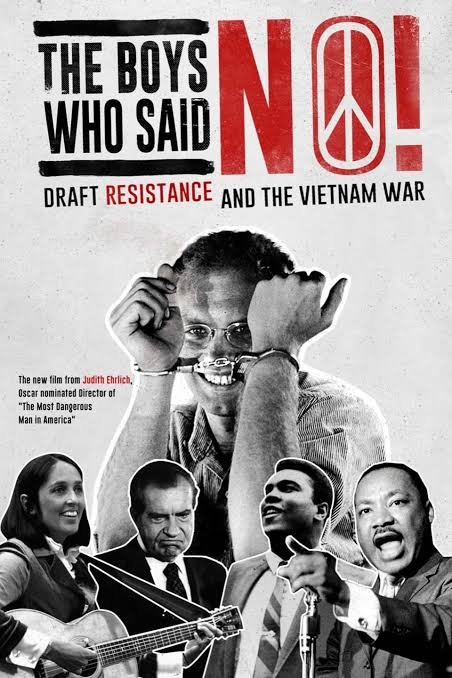
The Boys Who Said NO! tells for the first time the story and impact of the unprecedented, youth-led draft resistance movement during the war in Vietnam. It was the courage of draft resisters that inspired Daniel Ellsberg, featured in the film, to risk life in prison to release the Pentagon Papers. Over half a million young men opposed to the war said "NO!" to being drafted into the military, risking up to five years in federal prison. Their collective nonviolent resistance was the largest refusal to fight a war in American history, helping to end a tragic conflict and the draft, a touchpoint for social movements that followed.
Directed by Judith Ehrlich
AIRED ON PBS “AMERICAN EXPERIENCE”
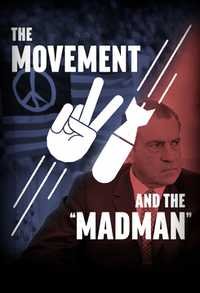
The Movement and the “Madman” highlights how two antiwar protests in the fall of 1969 — the largest the country had ever seen at the time — pressured President Nixon to cancel what he called his “madman” plans for a massive escalation of the U.S. war in Vietnam, including threats to use nuclear weapons. In the film, Daniel Ellsberg, who was a Defense Deparment analyst at the time, offers commentary on Nixon’s plans and the impact of the demonstrations, concluding: “I believe we would have had in 1969 the first nuclear attacks since Nagaski had it not been for the October 15th demonstrations and the demonstrations in November.”
Directed by Stephen Talbot